|
The Moral Influence View of the Atonement
Bill Diehl Jr.
Many great Christian scholars and theologians have tried over the centuries to put into words the meaning of why our Lord had to die upon the cross of Calvary. All Christians will agree that our Lord and Savior Jesus Christ died for our sins, but problems develop in the areas of just what exactly the Lord did accomplish when He died and why did He have to die. Couldn't God just forgive simply because He is God? Why did God have to come down here to Earth and die for our sins?
The Christian believes that God has spoken to man and revealed truth about creation and salvation which man cannot find out by mere reason and observation of the natural world. And so we believe that God has revealed truth to us through His word, the Bible.
Briefly the Bible tells us about — 1. God having created man in a perfect world without sin or death — 2. the fall of man and the entrance of sin, guilt, and death — 3. God's promises to eventually save man from sin, guilt and death as found in the Old Testament in the writings of Moses and the prophets — 4. and finally God has acted to fulfill all of His promises in coming to Earth in the Person of His Son, our Lord Jesus Christ.
The Gospel of Jesus Christ tell us about our Lord's birth, His ministry, His sayings, His sinless holy life, and finally about His betrayal, death, burial, resurrection and ascension into heaven. Although the Gospels explain some of the reason why Jesus died on the cross, it is really in the epistles of Paul and the other apostles where we find the most detailed answers to the question of why our Lord had to die.
Now we come to the point to which I have been leading. What we say about the Gospel—what it is—and what it means—must be gathered from the writings of the Bible and not from an interpretation which accepts some of the statements about the Gospel while rejecting other statements which we find objectionable. This brings us to the "Moral Influence Theory of the Atonement".
Peter Abelard was a Christian scholar in France who lived from A.D.1079 to 1142. He was a famous Christian educator who was one of the first men to start a university in Europe, the Sorbonne, and eventually became a famous lecturer at Notre Dame. Being a brilliant scholar, he wrote a book, "Yes and No", in which he concedes that the Bible is a divinely inspired book but written by men who were very fallible and that fallibility has entered the writings and interpretations found in the Bible.
Having laid this foundation of fallibility, he then questioned the idea that Christ actually died as a propitiatory (debt canceling) vicarious (in our place) atonement (act which effects legal reconciliation to the Law) for sin to satisfy the justice of God as demanded by the Law of God. This is the apostolic, scriptural view of why Christ had to die, but Abelard preferred to ignore the concept of vicarious substitutionary atonement and focus on the view that Christ's sufferings were not meant to suffer the guilt and penalty of sin in for all mankind, but rather Christ only endured his suffering upon the cross only to melt our hearts to love God. Thus the primary motive for Christ allowing Himself to be crucified was to motivate (morally influence) us to be loving and humble and passively submissive as Jesus was and thus to reveal the love and kindness of God to others.
The attractiveness of this view to the natural sinful heart of man is very deceptive. This view is wrong, not because of what it affirms, but rather because of what it denies. There is great emotional appeal to such a view of the sufferings of Christ as a martyr. And thus many are swept into this view as being great light which does away with all the need for biblical and theological terms like — blood, law, atonement, redemption, propitiation, satisfaction, debt, guilt, penalty, original sin, substitution, justification, righteousness of faith, ransom, punishment, condemnation, sacrifice for sin, purchased, reconciliation, pardon, and sin. In the final analysis the moral influence theory teaches that the meritorious cause of ours salvation consists of our love response to God's love and we are admitted to heaven because we are "safe to save" and because we love God. The beautiful sounding terms of love and gentleness are almost overwhelmingly deceptive to anyone who does not know the Pauline, New Testament gospel. This kind of reasoning is very similar to and echoes the teachings of the second centruy Judaising heretics called the Ebionites and Gnostics who hated the teachings of Paul and the other apostles.
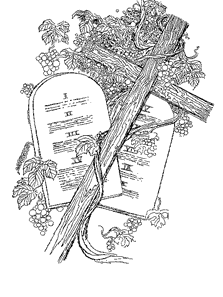 The Sinless Life and Atoning Death of Our Lord Jesus Christ—the meritorious cause of salvation The Sinless Life and Atoning Death of Our Lord Jesus Christ—the meritorious cause of salvation
These texts clearly show us that the meritorious cause of our acceptance with God is the sinless life and atoning death of our Lord on the cross of Calvary.
1 John 4:10 "In this the love of God was manifested toward us, that God has sent His only begotten Son into the world, that we might live through Him. In this is love, not that we loved God, but that He loved us and sent His Son to be the propitiation for our sins. "
1 John 2:1 My little children, these things write I unto you, that ye sin not. And if any man sin, we have an advocate with the Father, Jesus Christ the righteous: 2 And he is the propitiation for our sins: and not for ours only, but also for the sins of the whole world.
1 John 1:7 7 But if we walk in the light, as he is in the light, we have fellowship one with another, and the blood of Jesus Christ his Son cleanseth us from all sin.
Romans 3:24-25 24 Being justified freely by his grace through the redemption that is in Christ Jesus: 25 Whom God hath set forth to be a propitiation through faith in his blood, to declare his righteousness for the remission of sins that are past,
1 Timothy 2:4-6 4 Who will have all men to be saved, and to come unto the knowledge of the truth. 5 For there is one God, and one mediator between God and men, the man Christ Jesus; 6 Who gave himself a ransom for all,
2 Corinthians 5:19-21 19 For God was in Christ, reconciling the world to himself, no longer counting people's sins against them. This is the wonderful message he has given us to tell others. .... "Be reconciled to God!" 21 For God made Christ, who never sinned, to be the offering for our sin, so that we could be made right with God through Christ.
Matthew 20:28 28 For even I, the Son of Man, came here not to be served but to serve others, and to give my life as a ransom for many."
1 Peter 1:18-19 18 For you know that God paid a ransom to save you from the empty life you inherited from your ancestors. And the ransom he paid was not mere gold or silver. 19 He paid for you with the precious lifeblood of Christ, the sinless, spotless Lamb of God.
Romans 5:8-10 8 But God commendeth his love toward us, in that, while we were yet sinners, Christ died for us. 9 Much more then, being now justified by his blood, we shall be saved from wrath through him. 10 For if, when we were enemies, we were reconciled to God by the death of his Son, much more, being reconciled, we shall be saved by his life.
Ephesians 1:6-7 6 To the praise of the glory of his grace, wherein he hath made us accepted in the beloved. 7 In whom we have redemption through his blood, the forgiveness of sins, according to the riches of his grace;
Colossians 1:13-14 ......his dear Son: In whom we have redemption through his blood, even the forgiveness of sins:
Colossians 1:20 20 And, having made peace through the blood of his cross, by him to reconcile all things unto himself; by him,
Hebrews 9:22 and without shedding of blood is no remission.
Hebrews 13:12 12 Wherefore Jesus also, that he might sanctify the people with his own blood, suffered without the gate.
Revelation 1:5 5 And from Jesus Christ, who is the faithful witness, and the first begotten of the dead, and the prince of the kings of the earth. Unto him that loved us, and washed us from our sins in his own blood,
Summary: God's holiness and glory can only deal with sinful man through the only mediator between God and man, the Lord Jesus Christ who for us and our salvation, lived a sinless life and died as an atoning substitutionary sacrifice for our sins and arose again for our justification. He who knew no sin was made to be sin for us so that we might be made the righteousness of God in Him. The Son of man came to give His life a ransom for many. God has reconciled us unto Himself through Jesus Christ. God was in Christ reconciling the world unto Himself, not imputing our trespasses unto us. We have redemption through His blood, the forgiveness of sins. He reconciled all things to Himself having made peace through the blood of His cross. God commended His love toward us in that while we were yet sinners, Christ died for the ungodly.
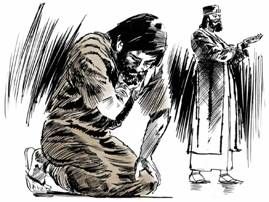 The work of the Holy Spirit upon the heart— The work of the Holy Spirit upon the heart—
the instrumental means of salvation:
The gospel message of the Lord Jesus Christ's meritorious death on the cross of Calvary to atone for the sins of the world is proclaimed to all the world. This gospel message is always attended by the convicting power of the Holy Spirit. The Holy Spirit gives the invitation to all the world to repent and believe the gospel. He calls and enables guilty sinners who are lost in trespass and sin to believe the gospel and to call upon the name of Christ in repentance for their sins. He enables sinners to receive Christ into their hearts as Savior and Lord. Without this enabling work of the Holy Spirit lost sinners could never believe the gospel, call upon the name of Christ, and repent of their sins. This work of the Holy Spirit upon the heart is the instrumental means of salvation without which there could be no salvation and forgiveness of one's sin — justification unto eternal life. True faith in Christ is inseparable from repentance for one's sins. It is the Holy Spirit who calls all and enables whosoever will to come to faith and repentance. The Holy Spirit does not force anyone to repent and believe in Christ. Those who resist the gospel invitation of the Holy Spirit are willfully rejecting salvation and will be eternally lost.
Luke 18:9-14 Also He spoke this parable to some who trusted in themselves that they were righteous, and despised others: 10 "Two men went up to the temple to pray, one a Pharisee and the other a tax collector. 11 "The Pharisee stood and prayed thus with himself, 'God, I thank You that I am not like other men -- extortioners, unjust, adulterers, or even as this tax collector. 12 'I fast twice a week; I give tithes of all that I possess.' 13 "And the tax collector, standing afar off, would not so much as raise his eyes to heaven, but beat his breast, saying, 'God, be merciful to me a sinner!' 14 "I tell you, this man went down to his house justified rather than the other; for everyone who exalts himself will be humbled, and he who humbles himself will be exalted."
Acts 20:21 Testifying both to the Jews, and also to the Greeks, repentance toward God, and faith toward our Lord Jesus Christ.
Acts 5:30-31 The God of our fathers raised up Jesus, whom ye slew and hanged on a tree. 31 Him hath God exalted with his right hand to be a Prince and a Saviour, for to give repentance to Israel, and forgiveness of sins.
Acts 13:38-39 Be it known unto you therefore, men and brethren, that through this man is preached unto you the forgiveness of sins: 39 And by him all that believe are justified from all things, from which ye could not be justified by the law of Moses.
Luke 15:10 Likewise, I say unto you, there is joy in the presence of the angels of God over one sinner that repenteth.
Romans 2:4 Or despisest thou the riches of his goodness and forbearance and longsuffering; not knowing that the goodness of God leadeth thee to repentance?
Romans 3:20-26 Therefore by the deeds of the law there shall no flesh be justified in his sight: for by the law is the knowledge of sin. 21 But now the righteousness of God without the law is manifested, being witnessed by the law and the prophets; 22 Even the righteousness of God which is by faith of (in) Jesus Christ unto all and upon all them that believe: for there is no difference: 23 For all have sinned, and come short of the glory of God; 24 Being justified freely by his grace through the redemption that is in Christ Jesus: 25 Whom God hath set forth to be a propitiation through faith in his blood, to declare his righteousness for the remission of sins that are past, through the forbearance of God; 26 To declare, I say, at this time his righteousness: that he might be just, and the justifier of him which believeth in Jesus.
Romans 4:24 - 5:1 But for us also, to whom it shall be imputed, if we believe on him that raised up Jesus our Lord from the dead; 25 Who was delivered for our offences, and was raised again for our justification. Therefore being justified by faith, we have peace with God through our Lord Jesus Christ:
Romans 5:8-11 But God commendeth his love toward us, in that, while we were yet sinners, Christ died for us. 9 Much more then, being now justified by his blood, we shall be saved from wrath through him. 10 For if, when we were enemies, we were reconciled to God by the death of his Son, much more, being reconciled, we shall be saved by his life. 11 And not only so, but we also joy in God through our Lord Jesus Christ, by whom we have now received the atonement.
Galatians 2:16-17 16 Knowing that a man is not justified by the works of the law, but by the faith of (objective genitive "in") Jesus Christ, even we have believed in Jesus Christ, that we might be justified by the faith of (objective genitive: "in") Christ, and not by the works of the law: for by the works of the law shall no flesh be justified. 17 But if, while we seek to be justified by (in) Christ,....
Galatians 3:11 But that no man is justified by the law in the sight of God, it is evident: for, The just (the justified one) shall live (have the verdict of life) by faith.
Galatians 3:24 Wherefore the law was our schoolmaster to bring us unto Christ, that we might be justified by faith.
Acts 26:15-20 And he said, I am Jesus whom thou persecutest. 16 But rise, and stand upon thy feet: for I have appeared unto thee for this purpose, to make thee a minister and a witness both of these things which thou hast seen, and of those things in the which I will appear unto thee; 17 Delivering thee from the people, and from the Gentiles, unto whom now I send thee, 18 To open their eyes, and to turn them from darkness to light, and from the power of Satan unto God, that they may receive forgiveness of sins, and inheritance among them which are sanctified by faith that is in me. Whereupon, O king Agrippa, I was not disobedient unto the heavenly vision: 20 But shewed first unto them of Damascus, and at Jerusalem, and throughout all the coasts of Judaea, and then to the Gentiles, that they should repent and turn to God, and do works meet for repentance.
2 Peter 3:9 The Lord is not slack concerning his promise, as some men count slackness; but is longsuffering to us-ward, not willing that any should perish, but that all should come to repentance.
Matthew 4:17 From that time Jesus began to preach, and to say, Repent: for the kingdom of heaven is at hand.
Mark 1:14-15 Jesus came into Galilee, preaching the gospel of the kingdom of God, 15 And saying, The time is fulfilled, and the kingdom of God is at hand: repent ye, and believe the gospel.
Acts 2:36-38 God hath made that same Jesus, whom ye have crucified, both Lord and Christ.(Ed- Christ crucified: the meritorious cause of salvation) 37 Now when they heard this, they were pricked in their heart, and said unto Peter and to the rest of the apostles, Men and brethren, what shall we do? 38 Then Peter said unto them, Repent, and be baptized every one of you in the name of Jesus Christ for the remission of sins, and ye shall receive the gift of the Holy Ghost.
Acts 3:18-21 that Christ should suffer, (the meritorious cause of salvation) he hath so fulfilled. 19 Repent ye therefore, and be converted, that your sins may be blotted out, when the times of refreshing shall come from the presence of the Lord; 20 And he shall send Jesus Christ, which before was preached unto you: 21 Whom the heaven must receive until the times of restitution of all things, which God hath spoken by the mouth of all his holy prophets since the world began.
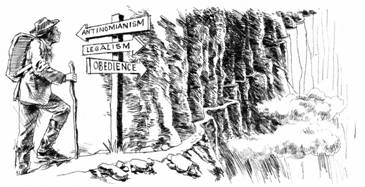 Acts 17:30-31 30 And the times of this ignorance God winked at; but now commandeth all men every where to repent: 31 Because he hath appointed a day, in the which he will judge the world in righteousness by that man (Jesus Christ) whom he hath ordained; whereof he hath given assurance unto all men, in that he hath raised him (Jesus Christ) from the dead. Acts 17:30-31 30 And the times of this ignorance God winked at; but now commandeth all men every where to repent: 31 Because he hath appointed a day, in the which he will judge the world in righteousness by that man (Jesus Christ) whom he hath ordained; whereof he hath given assurance unto all men, in that he hath raised him (Jesus Christ) from the dead.
Acts 26:19-29 O king Agrippa, I was not disobedient unto the heavenly vision: 20 But shewed first unto them of Damascus, and at Jerusalem, and throughout all the coasts of Judaea, and then to the Gentiles, that they should repent and turn to God, and do works meet for repentance. 21 For these causes the Jews caught me in the temple, and went about to kill me. 22 Having therefore obtained help of God, I continue unto this day, witnessing both to small and great, saying none other things than those which the prophets and Moses did say should come: 23 That Christ should suffer, and that he should be the first that should rise from the dead, and should show light unto the people, and to the Gentiles. 24 And as he thus spake for himself, Festus said with a loud voice, Paul, thou art beside thyself; much learning doth make thee mad. 25 But he said, I am not mad, most noble Festus; but speak forth the words of truth and soberness. 26 For the king knoweth of these things, before whom also I speak freely: for I am persuaded that none of these things are hidden from him; for this thing was not done in a corner. 27 King Agrippa, believest thou the prophets? I know that thou believest. 28 Then Agrippa said unto Paul, Almost thou persuadest me to be a Christian. 29 And Paul said, I would to God, that not only thou, but also all that hear me this day, were both almost, and altogether such as I am,
1 John 1:5 - 2:4 This then is the message which we have heard of him, and declare unto you, that God is light, and in him is no darkness at all. 6 If we say that we have fellowship with him, and walk in darkness, we lie, and do not the truth: 7 But if we walk in the light, as he is in the light, we have fellowship one with another, and the blood of Jesus Christ his Son cleanseth us from all sin. 8 If we say that we have no sin, we deceive ourselves, and the truth is not in us. 9 If we confess our sins, he is faithful and just to forgive us our sins, and to cleanse us from all unrighteousness. 10 If we say that we have not sinned, we make him a liar, and his word is not in us. 1 John 2:1 My little children, these things write I unto you, that ye sin not. And if any man sin, we have an advocate with the Father, Jesus Christ the righteous: 2 And he is the propitiation for our sins: and not for ours only, but also for the sins of the whole world. 3 And hereby we do know that we know him, if we keep his commandments. 4 He that saith, I know him, and keepeth not his commandments, is a liar, and the truth is not in him.
Summary: For all have sinned and continually fall short of the glory of God, being justified freely by His grace through the redemption that is in Christ Jesus whom God has set forth as a propitiation by faith in His blood through faith to demonstrate His righteousness that He might be just and the justifier of the one who has faith in Jesus. To him who does not work but believes on Him who justifies the ungodly, his faith is accounted for righteousness. Righteousness shall be imputed to us who believe in Him who raised up Jesus our Lord from the dead, who was delivered up because of our offenses and was raised because of our justification.
May this brief discourse shed some light on the errors of Moral Influence Theory. The problem is not merely with what it affirms (the loving heart of God) but rather in what it denies (the substitutionary death of our Lord for our sins). Any gospel which denies that our forgiveness and acceptance with God is made possible through faith in the shed blood of Christ is a denial of the true meaning of the Cross and robs us of our assurance and confidence before the holiness of God.
Only the assurance that Christ has made atonement on the cross for sin will give us assurance that our sins have been forgiven in the coming time of trouble. All other ground is sinking sand.
(See also http://www.presenttruthmag.com/Bible/57.html )
|


